


The Imaging Equipment Lifecycle: From Installation to Second Life
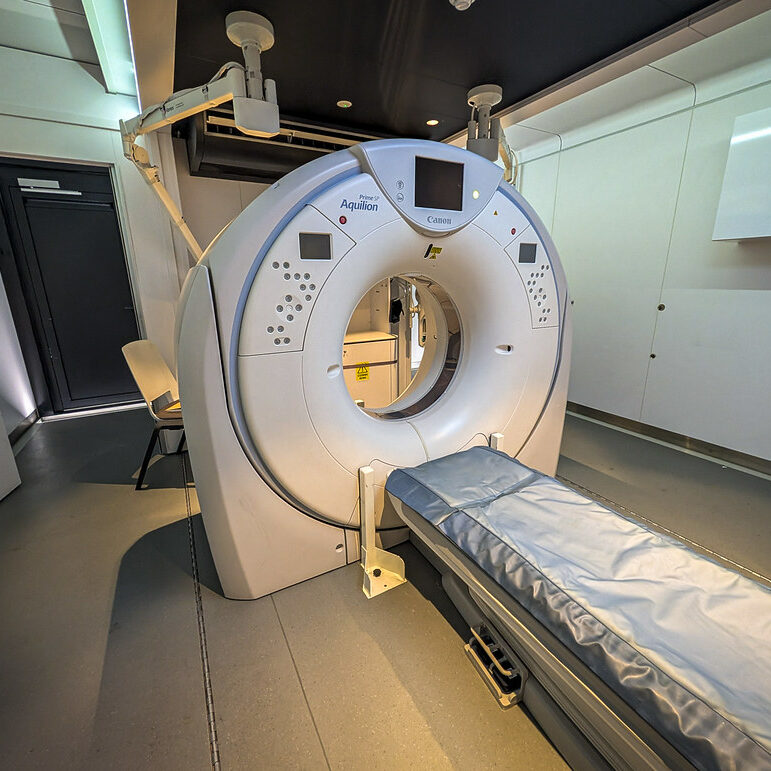
Imaging equipment represents a significant investment for healthcare organisations, but its value doesn’t necessarily end with its first clinical deployment. Effective lifecycle management can help protect that investment while reducing waste and extending the useful life of valuable technology.
From installation and commissioning through to servicing, upgrades, relocation and eventual de-installation, every stage presents opportunities to improve reliability, protect clinical uptime and control costs.
Accurate service histories, planned preventative maintenance and proactive technical support can extend operational life and help organisations make informed decisions about repair, upgrades and replacement.
When equipment leaves service at one site, the focus can shift from disposal to value recovery. MRI, CT and other diagnostic imaging systems may retain considerable usable life and can potentially be refurbished, relocated, remarketed or repurposed for use elsewhere.
Realising this potential requires more than finding a buyer. Safe de-installation, specialist logistics, equipment condition assessments, data security, regulatory considerations and transparent asset histories all play an important role in ensuring equipment moves responsibly into its next clinical environment.
At Quest Medical and Quest Meditech, lifecycle management connects technical expertise, service capability, specialist logistics and a dedicated marketplace, supporting organisations from initial deployment through to resale and second life.
As financial and sustainability pressures grow across healthcare, extending equipment life and strengthening secondary markets can help recover asset value, improve utilisation and keep valuable imaging technology in circulation for longer.